When you make the difficult decision to rehome a pet, you naturally want to do everything you can to make sure they are safe, loved, and well cared-for in their new home. One important step that may be overlooked is having your pet spayed or neutered before rehoming, when medically appropriate and recommended by your veterinarian.
A pet that is already spayed or neutered can make them more desirable to potential adopters for several practical reasons. With females, the new family won’t have to manage heat cycles and the attention they can attract from intact males. With males, neutering may help reduce hormone-driven behaviors such as trying to escape in search of a female or territorial marking. This can be especially important when a dog has just been rehomed and is not yet familiar or comfortable with their new surroundings or bonded with their new family.
Many adopters also appreciate not having to personally take on the scheduling, expense, and recovery involved with having a newly-adopted pet spayed or neutered.
At ReHomeYourPets.com, founder Sandy Mills says, “Having worked in the companion animal rescue world for over 35 years, I have seen firsthand why this is so important.” She continues,” In the rescue I volunteer with, the policy has always been that pets are spayed or neutered before an adoption is finalized. Most reputable rescue organizations have similar policies.”
But there is another very important reason to consider spaying or neutering before rehoming: it can help protect your pet from being acquired simply for the purpose of breeding him or her for profit—and protect the future puppies or kittens your pet could produce.

Protecting Your Pet From Being Bred for Profit
An intact pet may attract someone who isn’t really interested in providing your dog, cat, bunny, etc., with a loving home. Unfortunately, some people may see your intact pet more as an opportunity to breed the animal for profit, versus making him or her a loved member of the family. They may say all the right things and appear to offer a wonderful home. They may even be willing to pay a substantial rehoming fee. But if their plan is to repeatedly breed your pet and then make money by selling the babies, that fee may do little to foil their intentions.
Having your pet spayed or neutered before rehoming can remove the financial incentive for someone who is primarily interested in your pet merely for breeding.
You’re Also Protecting Future Puppies and Kittens
There is another side to this that deserves just as much thought and that is all the lives your pet could potentially produce.
Mills asks that people consider the following questions: “What If your intact pet is bred after being rehomed? What will happen to all those little ones? Will they receive proper veterinary care? Will they be spayed or neutered, or will they themselves be allowed to breed indiscriminately or for profit? Will their new owners be carefully screened? Could some eventually be surrendered to shelters? Or passed from home to home?” Once your pet leaves your care, you will have no control over those situations.
Spaying or neutering your pet can help prevent future generations of puppies or kittens from entering an already-difficult environment where there are simply more pets needing homes than there are good homes available!
Spay/Neuter Is Only One Part of Protecting Your Pet
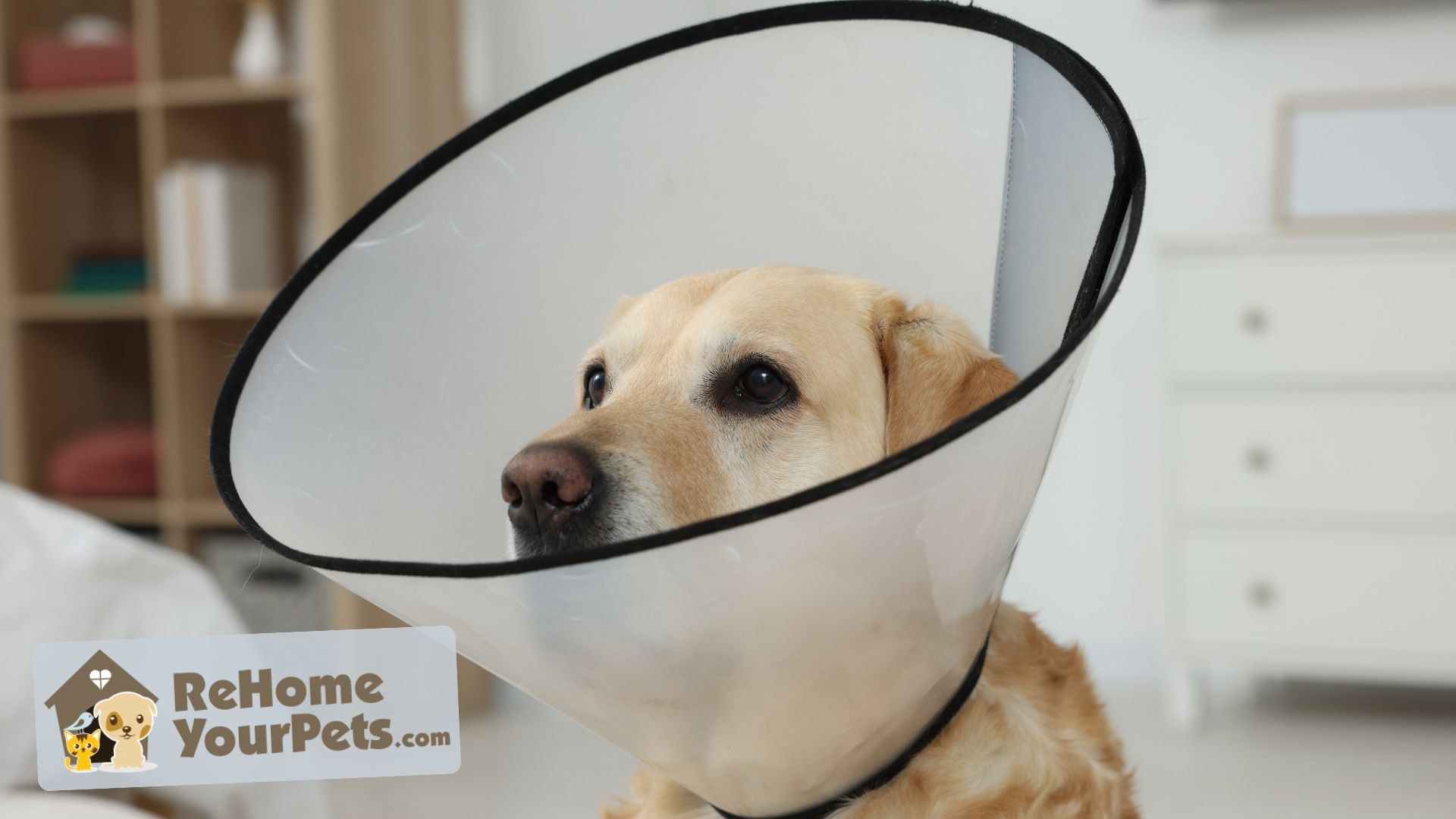
Spaying or neutering can never take the place of carefully researching a potential adopter. Instead, think of it as another layer of protection.
An appropriate rehoming fee is important. But so is checking veterinary references, grooming references (when applicable), verifying the information you’re given, asking thoughtful questions, making sure the adopter can truly meet your pet’s needs for the rest of his or her life, and perhaps most important of all, trusting your instincts!
And if your budget can’t accommodate the cost of spaying and neutering right now, don’t give up. Talk with your veterinarian and let them know that you are trying to responsibly rehome your pet. They may be able to recommend a lower-cost option or direct you to resources that can help. You can also contact local shelters, humane societies, rescue organizations, and low-cost spay/neuter clinics. You may well find resources you weren’t aware of that are available in your community to help.
Protecting More Than One Life
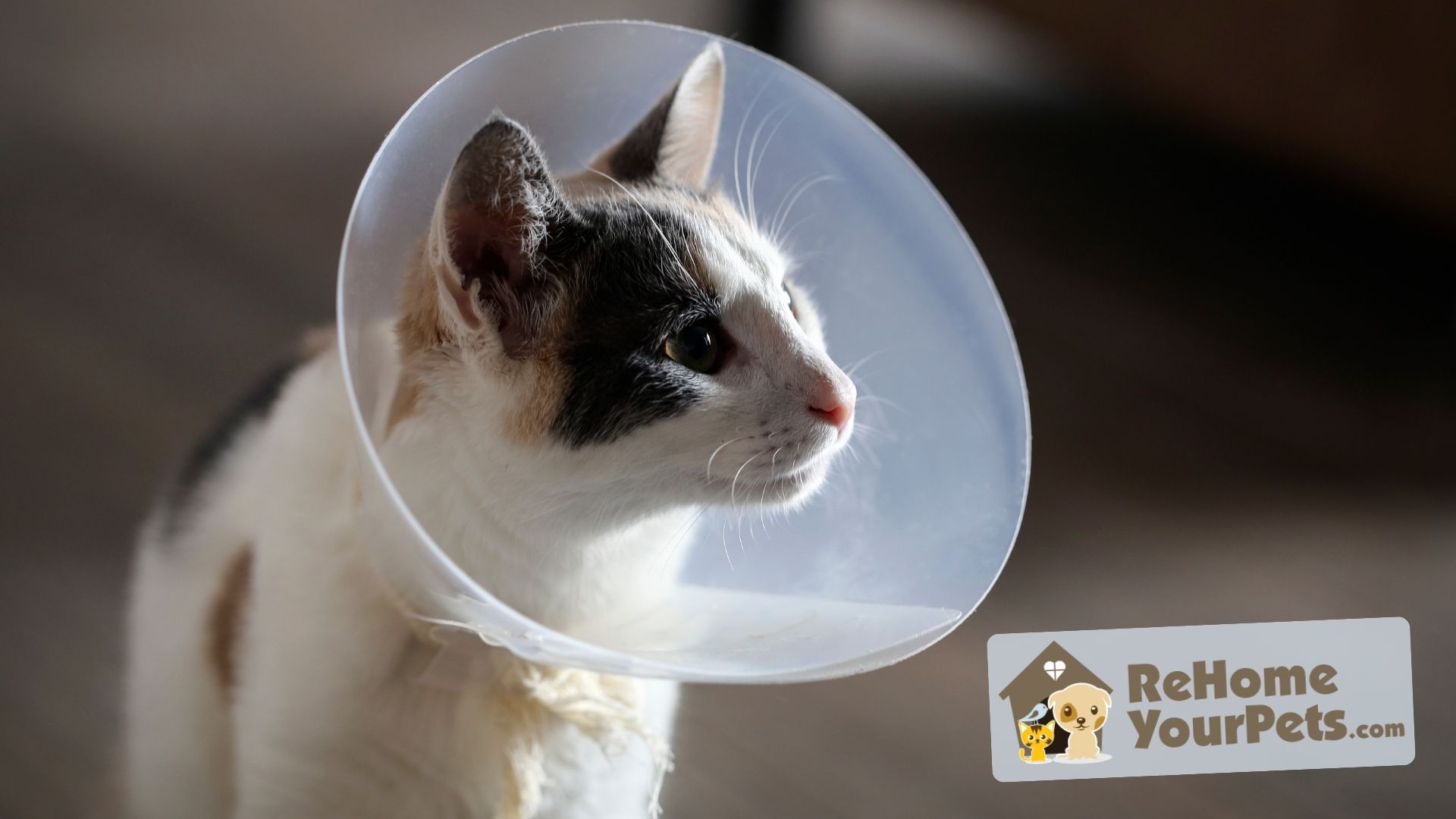
In summary, when you spay or neuter before rehoming, you may be doing much more than preventing an unwanted litter. You are protecting your pet from being bred over and over again, simply for profit. While you can’t control everything that happens after your pet goes to a new home, still, the decisions you make before saying goodbye can have an impact far beyond your pet’s next chapter. So rehome responsibly. Their future and the futures of many other pets depend on it!
Explore the rehoming process at RehomeYourPets.com right now!