
Pet Flippers: What Every Pet Owner Needs to Know Before Rehoming
If you’re trying to find a good home for a pet you can no longer keep, you owe it to yourself—and to your pet—to read this and learn about potential red flags along the way. While we’ll focus on dogs here, these same risks apply to other types of pets as well.
Unfortunately, there are individuals known as “pet flippers” who actively search online listings, social media, flyers, and classified ads for pets that are being offered for free or for a very low rehoming fee. Their goal is simple: acquire pets cheaply and then resell them for a profit—often with no regard for the home’s quality or the animal’s well-being.
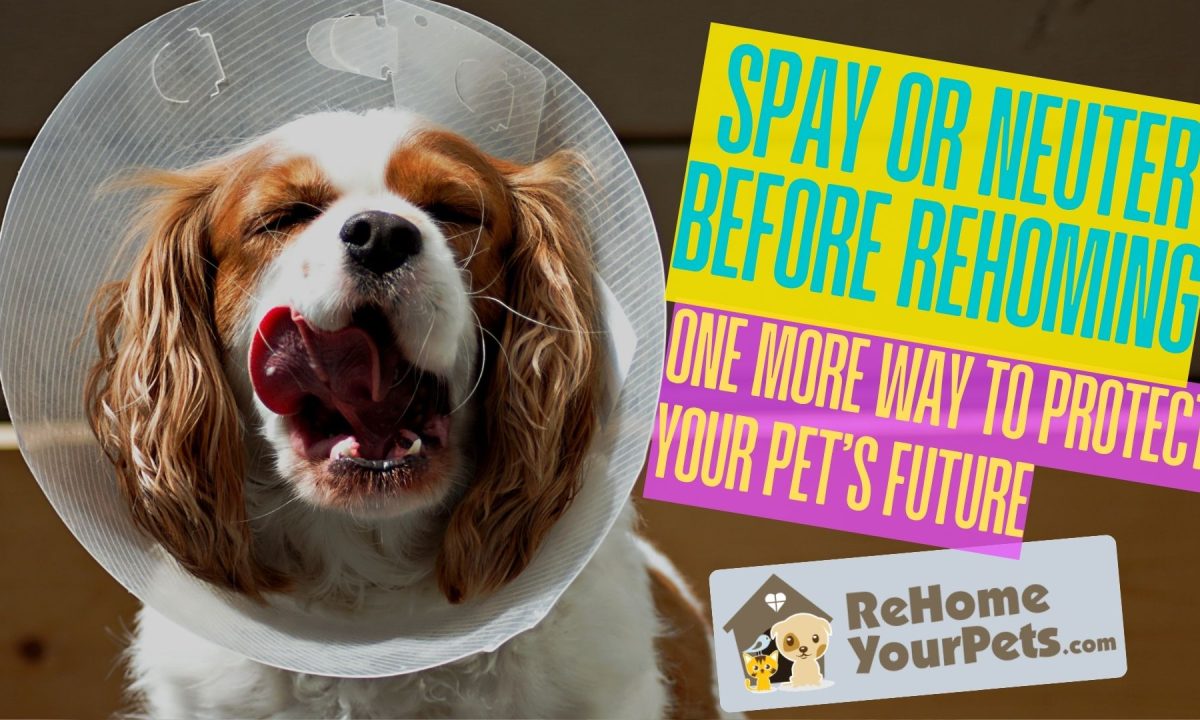
One way to help deter this practice is to spay or neuter your pet before rehoming. Flippers often target unaltered pets for breeding purposes, and altering your pet helps prevent that. Microchipping is another important safeguard, and it’s equally important to keep your contact information up to date in the microchip registry. A microchipped pet is less appealing to someone with dishonest intentions and provides an added layer of protection if your pet is ever lost or improperly transferred.
When rehoming any pet, it’s also important to consider the rehoming fee. While a fee alone won’t guarantee a safe placement, it does serve as a basic filter. If someone cannot afford a reasonable rehoming fee, they may also struggle to provide essential care—such as veterinary visits, vaccinations, grooming, quality food, and emergency treatment. To help determine an appropriate fee, you can check with local shelters, rescue groups, or breed-specific rescues to see what they typically charge for similar pets.
Most importantly, thoroughly screen every potential adopter. This step is critical for your pet’s safety and your peace of mind. Take the time to verify veterinary references, grooming references, ask detailed questions, and ensure the adopter can truly meet your pet’s physical and emotional needs.
For more guidance on how to responsibly rehome a pet, please visit our Re-Homing Tips